
Plants Decorator


In this section, you will find useful resources to easily use and maintain a YAMBA Moss Pole.
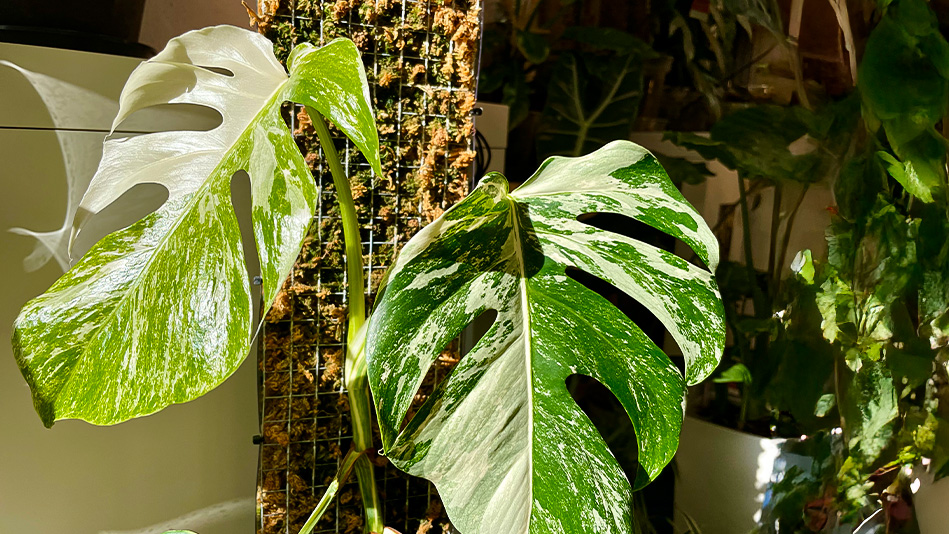
Here you will find instructions for its assembly and important suggestions to make your process as simple and enjoyable as possible.
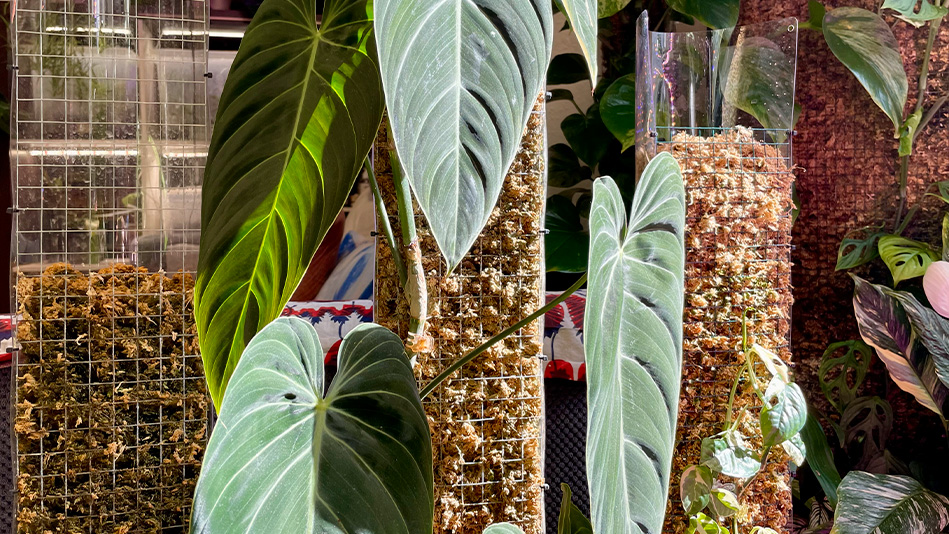
Your plants deserve all the space possible to grow. This process may seem difficult, but don’t worry. Here you will see each step in detail and notice that it is not so complex.
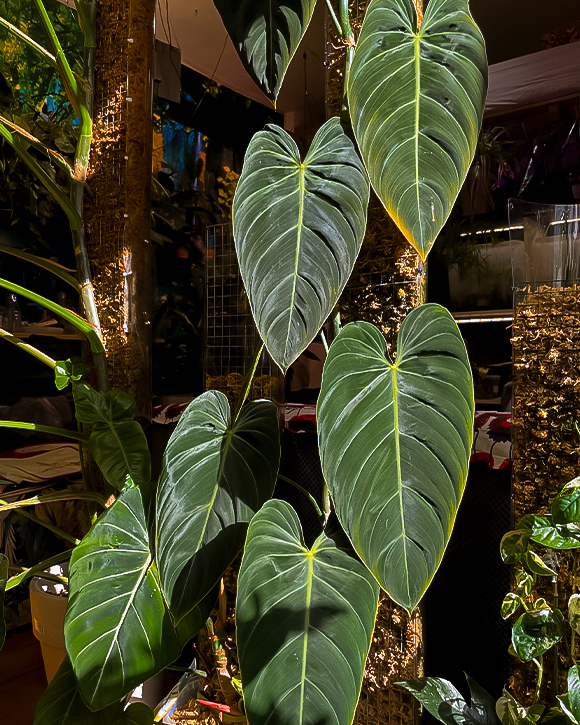
We often use fertilizers to provide our plants with the best nutrients to grow healthy and strong. However, fertilizers can contain salts that leave residues on the substrate of your plant, as well as on the mesh and moss of the pole. To prevent this, we recommend giving your moss pole a thorough rinse every once in a while, preferably before fertilizing.
Bringing your plant to the shower (or the garden/terrace) and thoroughly rinsing both the plant and the moss will help prevent fertilizer residue buildup, deter plant pests from attaching to the leaves, and provide an excellent opportunity to clean the leaves with paper, cotton or microfiber towels — keeping your plant happy and looking pristine.
At least once a month, we recommend saturating the moss with water and allowing the pole and pot to drain for at least 30 minutes before fertilizing. This will help flush out any accumulated fertilizer salts and keep the pole structure and moos looking better over time.
If the plant and pole are too large or inconvenient to bring to the shower, you can water the moss pole without fertilizer occasionally or use water with a fertilizer-flushing solution once a month.
A change in moss color can indicate when it’s time to water.
Sphagnum moss turns pale when dry and regains a vibrant green color when wet or moist.
When moss is dry, it becomes hydrophobic, meaning it repels water until it absorbs some moisture. To prevent this, we recommend giving it a shower or spraying it thoroughly before watering. However, if you avoid letting it dry out completely, it won’t become hydrophobic. Keep in mind that moss at the top of the pole will dry out faster than at the bottom due to gravity, and the front of the pole will dry faster than the back due to air exposure.
How long it takes for the moss in the pole to dry out depends mainly on relative humidity, ventilation and temperature, which can vary with the seasons and even throughout the day.
Typically, a YAMBA D-Shape Moss Pole remains humid for about one to two weeks, compared to other moss poles that stay moist for up to four days. This is due to the acrylic backing, as well as the height and width of our design.
The amount of water needed depends on how dry the moss is. Usually, a YAMBA D-Shape Moss Pole requires between 0.75L and 1L of water per week or every 10 days to remain completely moist from top to bottom. An extended pole (two poles combined) may require 1.5L to 2L of water within the same time frame.
Of course, water needs can vary depending on outdoor temperature, indoor climate, and humidity – as well as on the growth stage of the plant. A large plant with an extensive root system that continuously produces new leaves and grows actively will consume water much faster than a slower-growing plant.
Water requirements may also increase if the temperature exceeds 30 °C and decrease if it falls below 15 °C.
To prevent the moss pole from drying out, you can water it with 0.5L per pole every five days. This way, you likely won’t need to spray the pole before watering, as the moss will not have dried out enough to become hydrophobic. The drier the moss is, the longer it takes to absorb water.
However, as a general rule, we recommend thoroughly spraying or rinsing the pole before watering every time, especially when using it for the first time.
Moss can develop algae buildup when it remains wet and exposed to sunlight for long periods. This is a natural process that does not affect its properties or the plant in any way. Its appearance may shift to a darker green, which can even be visually appealing.
There is nothing wrong with algae.
If needed, I can help you through email, message, video call or by visiting your location (in Berlin). Contact me to know the details of this service.